


In the pursuit of regional resiliency, sometimes the most impactful changes are found right in our own backyards. For this feature, we spoke with a local grower living just 20 kilometers outside of Fredericton, who has successfully established a small-scale agricultural project consisting of a 20×60’ greenhouse and a quarter-acre garden, a testament to the power of low-mechanization farming.
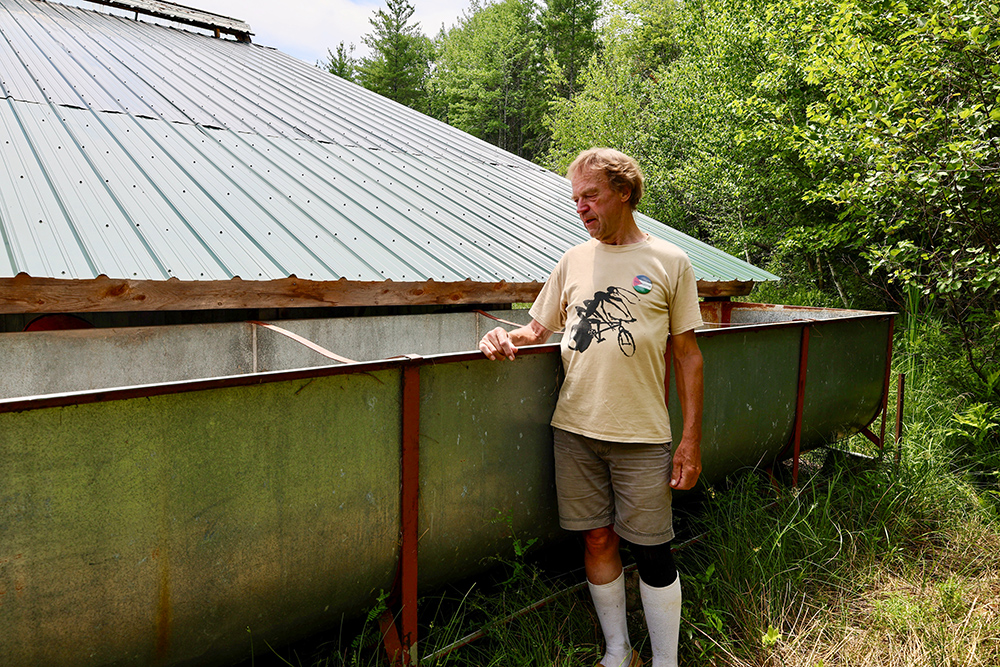
With a lifetime of agricultural experience, Dirk has launched this specific homestead to grow food for the community while generating market income. The greenhouse serves as a blueprint for affordable, sustainable infrastructure. By keeping operations small and focusing on a “live cheap” philosophy, this project demonstrates that an enormous capital investment isn’t required to make a meaningful environmental impact.
However, localized sustainability faces structural challenges. From his lifetime experience, Dirk shares that finding local markets remains a hurdle, alongside broader systemic issues like regional suburban sprawl. As housing developments replace agricultural spaces, increased commuter traffic impacts the rural landscape. To counter this, they advocate for local policy shifts that protect agricultural land and halt the commodification of food.
Ultimately, this project highlights how small-scale food production fosters individual and community resilience against climate change. While not everyone is ready to manage a full homestead, incremental participation, even just growing household herbs or vegetables can collectively reduce our environmental footprint. By sharing these grassroots efforts in local spaces, this project inspires community members to rethink their relationship with local food systems.